
Finding the right way to watch your favorite shows has never been more exciting. Millions of Americans now move away from cable to embrace a modern digital viewing platform. This change offers more variety and better control over your daily entertainment.
However, not all platforms work the same way. To enjoy your sports and movies without annoying lags, you need a top-tier iptv provider. Reliability is the most important factor when you want to keep your weekend entertainment stress-free.
High streaming quality ensures that every pixel looks sharp on your big screen. It makes a huge difference when you watch a live game or a blockbuster movie. Choosing the right source helps you avoid buffering and low-resolution issues during peak hours.
Key Takeaways
- Prioritize platforms with high uptime to avoid mid-show interruptions.
- High-definition and 4K options are vital for a modern viewing experience.
- Ensure your hardware is fully compatible with the chosen service.
- A wide variety of channels provides the best overall entertainment value.
- Reliable customer support helps you resolve technical issues quickly.
- Always check for trial periods to test the connection speed first.
Understanding IPTV Technology and How It Works
Understanding IPTV is key to unlocking a more flexible viewing experience. IPTV, or Internet Protocol Television, delivers television content over the internet rather than through traditional terrestrial, satellite, or cable formats.
What is IPTV and Why It’s Growing in Popularity
IPTV is a modern streaming technology that allows users to access a wide range of TV channels and on-demand content using their internet connection. Its popularity is growing due to its flexibility and the ability to watch content on various devices, including smartphones, tablets, smart TVs, and computers.
The convenience of being able to watch TV anywhere, at any time, as long as there’s a stable internet connection, is a significant factor in its growing popularity. Additionally, IPTV services often come with features like pause, rewind, and record live TV, enhancing the viewing experience.
How IPTV Differs from Traditional Cable and Satellite TV
Unlike traditional cable and satellite TV, IPTV doesn’t require a specific infrastructure like cables or satellite dishes. Instead, it uses the internet to stream content directly to the user’s device. This difference allows IPTV providers to offer more personalized and flexible services.
IPTV can also provide a more stable streaming quality compared to traditional TV, as the quality is directly related to the user’s internet connection rather than being affected by weather conditions or signal interference.
The Technology Behind IPTV Streaming
The technology behind IPTV involves encoding TV channels into digital data and streaming this data over the internet. This process allows for efficient delivery of high-quality video content. IPTV services use various protocols to ensure smooth streaming and to handle user requests for content.
To ensure a seamless viewing experience, IPTV providers use content delivery networks (CDNs) that cache content at multiple locations around the world, reducing latency and buffering.
Key Features to Look for in a Reliable IPTV Provider
To enjoy uninterrupted IPTV streaming, it’s crucial to identify a provider that excels in several key areas. A reliable IPTV service is not just about having a wide range of channels; it’s also about the quality of the stream, the reliability of the servers, and the responsiveness of the customer support.
Channel Selection and Content Libraries
A diverse and extensive channel selection is vital for a satisfying IPTV experience. Look for providers that offer a broad range of channels, including sports, entertainment, news, and international content. Some IPTV providers also offer additional content libraries, such as on-demand movies and TV shows, which can significantly enhance your viewing experience.
Key considerations for channel selection include:
- Variety of channels
- Availability of sports and entertainment content
- International channel options
- On-demand content availability
Streaming Quality and Resolution Options
The quality of the stream is just as important as the channel selection. A good IPTV provider should offer high-definition (HD) and, if possible, 4K resolution for a superior viewing experience. It’s also beneficial if the provider can adapt the stream quality based on your internet connection to prevent buffering.
Streaming quality features to look for:
- HD and 4K resolution availability
- Adaptive bitrate streaming
- Low latency
Server Reliability and Uptime Guarantees
Server reliability directly impacts your viewing experience. A reliable IPTV provider should have a robust infrastructure that ensures high uptime and minimal downtime for maintenance. Look for providers that offer uptime guarantees as part of their service level agreements (SLAs).
Customer Support and Service Responsiveness
Effective customer support is crucial for resolving any issues that may arise. A good IPTV provider should offer multiple channels for support, such as live chat, email, and phone support. The responsiveness of the support team can significantly impact your overall satisfaction with the service.
| Feature | Importance | What to Look For |
|---|---|---|
| Channel Selection | High | Variety, sports, entertainment, international channels |
| Streaming Quality | High | HD, 4K, adaptive bitrate |
| Server Reliability | High | Uptime guarantees, robust infrastructure |
| Customer Support | High | Live chat, email, phone support, responsiveness |
Essential Equipment and Internet Requirements
IPTV streaming requires more than just a subscription; it demands specific equipment and internet requirements to function optimally. Ensuring you have the right setup is crucial for a seamless viewing experience.
Minimum Internet Speed for Smooth Streaming
A stable and fast internet connection is the backbone of IPTV streaming. The minimum internet speed required for smooth streaming varies depending on the quality of the stream. For standard definition (SD) streaming, a speed of at least 3 Mbps is recommended. For high definition (HD), you’ll need 5-8 Mbps, and for 4K or ultra-high definition (UHD), a minimum of 25 Mbps is necessary.
It’s also important to consider that these speeds are for individual streams. If multiple devices are connected to the same network and streaming simultaneously, you’ll need to ensure your internet plan can accommodate the combined bandwidth requirements.
Compatible Devices and Streaming Hardware
IPTV services can be accessed on a variety of devices, including smart TVs, streaming media players (such as Roku, Amazon Fire TV, or Google Chromecast), set-top boxes specifically designed for IPTV, and even mobile devices like smartphones and tablets.
When choosing a device, consider the compatibility with your IPTV provider’s service. Some providers offer their own apps for certain devices, while others may require a more universal solution like an IPTV set-top box.
Router and Network Setup Considerations
Your router and network setup play a critical role in the quality of your IPTV streaming experience. A wired Ethernet connection is generally more stable and less prone to interference compared to WiFi. If you must use WiFi, ensure your router is placed in a central location and is capable of handling the bandwidth demands of IPTV streaming.
Additionally, consider the quality of your router. Modern routers with Quality of Service (QoS) settings can prioritize IPTV traffic, ensuring a smoother streaming experience.
How to Research and Evaluate IPTV Services
With numerous IPTV services available, evaluating them requires a systematic approach. To make an informed decision, it’s crucial to follow a step-by-step process that assesses various aspects of the service.
Step 1: Read User Reviews and Testimonials
One of the first steps in evaluating an IPTV service is to read user reviews and testimonials. This can provide valuable insights into the service’s reliability, streaming quality, and customer support. Look for reviews on independent platforms and forums where users share their genuine experiences.
Reliable IPTV services often have positive reviews and high ratings. Pay attention to comments about the service’s stability, channel availability, and responsiveness to customer inquiries.
Step 2: Check for Free Trials and Money-Back Guarantees
A reputable IPTV service should offer either a free trial or a money-back guarantee. This allows potential customers to test the service before committing to a subscription. During the trial period, assess the service’s overall performance, including streaming quality and channel availability.
Be wary of services that do not offer any form of trial or guarantee, as this could be a sign of an unreliable provider.
Step 3: Verify Channel Lists and Content Availability
Another critical step is to verify the channel lists and content availability. Check if the service offers the channels and content you are interested in. A good IPTV service should have a diverse range of channels, including sports, entertainment, and news.
Ensure that the service provides an up-to-date channel list and that the content is available without frequent interruptions or blackouts.
Step 4: Test Streaming Quality During Trial Period
During the trial period, it’s essential to test the streaming quality thoroughly. Check for buffering issues, video resolution, and overall stability. A high-quality IPTV service should provide smooth streaming with minimal interruptions.
Pay attention to how the service performs during peak hours and whether it can maintain a consistent quality throughout.
Step-by-Step Guide to Setting Up Your IPTV Service
To enjoy seamless TV viewing, follow our easy guide to setting up your IPTV service. This comprehensive guide will walk you through the process, ensuring a hassle-free experience.
Choose Your Streaming Device
The first step in setting up your IPTV service is to select a compatible streaming device. Popular options include smart TVs, Android TV boxes, Amazon Fire TV, and mobile devices. Ensure your chosen device meets the minimum system requirements for the IPTV app.
Download and Install the IPTV App
Once you have your streaming device, download and install the IPTV app provided by your service provider. Most IPTV services offer apps for various platforms, making it easy to find one that suits your device. You can usually find the app in the device’s app store or by following the link provided by your IPTV service.
Enter Your Subscription Credentials
After installing the IPTV app, launch the app and log in using your subscription credentials. These credentials are usually provided by your IPTV service provider upon subscription. If you encounter any issues, refer to your provider’s support documentation or contact their customer service.
Configure Your Channel List and Preferences
With your IPTV app installed and logged in, you can now configure your channel list and preferences. Most IPTV apps allow you to customize your channel lineup, create favorite lists, and set parental controls. Take some time to explore the app’s settings to tailor your viewing experience.
Optimize Video and Audio Settings
To ensure the best viewing experience, adjust the video and audio settings within the IPTV app. You may need to tweak settings such as video quality, aspect ratio, and audio output to suit your device and internet connection. Refer to your IPTV service’s support resources for guidance on optimizing these settings.
By following these steps, you’ll be able to set up your IPTV service and enjoy a seamless TV viewing experience. If you encounter any issues during the setup process, don’t hesitate to reach out to your IPTV service provider’s customer support for assistance.
Troubleshooting Common IPTV Streaming Issues
IPTV streaming can sometimes be plagued by issues, but troubleshooting can help. When you’re in the middle of your favorite show or a live event, the last thing you want is for your stream to cut out or stutter. Fortunately, many common IPTV streaming issues have straightforward solutions.
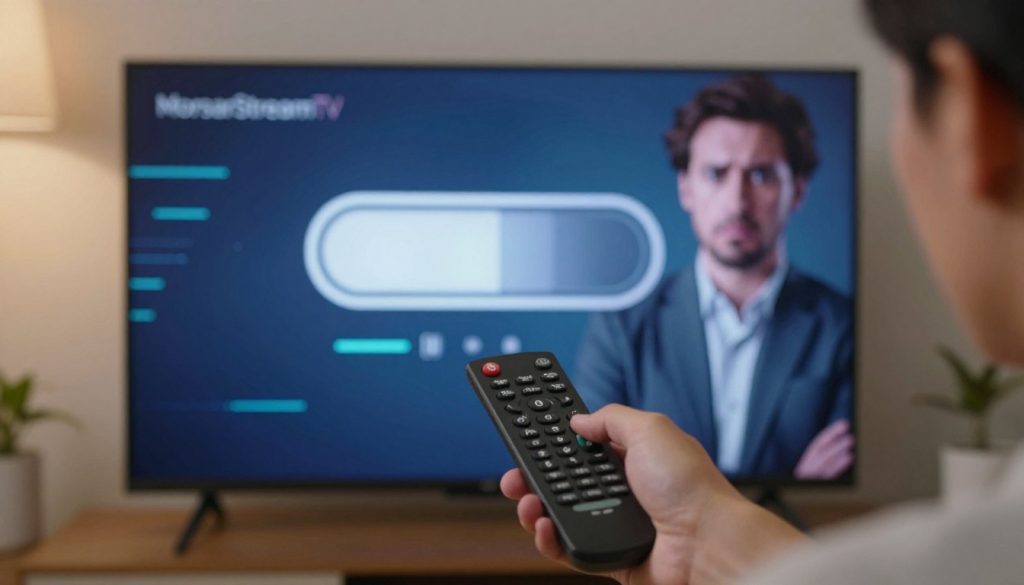
Fixing Buffering and Lag Problems
Buffering and lag can be caused by a slow internet connection. Ensure your internet speed is sufficient for streaming; a minimum of 25 Mbps is recommended for HD content. You can check your internet speed using online tools.
Steps to fix buffering:
- Check your internet speed and consider upgrading if necessary.
- Restart your router to refresh your connection.
- Use a wired Ethernet connection instead of WiFi for a more stable link.
Resolving Connection and Login Errors
Connection and login errors often occur due to incorrect login credentials or server issues. Double-check your username and password, and ensure your subscription is active.
Troubleshooting steps:
- Verify your login credentials and reset your password if necessary.
- Check the IPTV provider’s server status for any outages.
- Clear the app cache and data to resolve any software glitches.
Addressing Poor Video Quality Issues
Poor video quality can be due to several factors, including low internet speed, incorrect video settings, or issues with your streaming device.
Improving video quality:
- Adjust the video settings in your IPTV app to match your internet speed.
- Ensure your streaming device is capable of handling the stream’s resolution.
- Use a quality HDMI cable for a better connection to your TV.
Dealing with Channel Loading Failures
Channel loading failures can be frustrating. This issue might be due to server overload or problems with your IPTV app.
Solutions to channel loading failures:
- Restart the IPTV app or your streaming device.
- Check if the channel is available on your subscription plan.
- Contact your IPTV provider’s customer support for assistance.
Optimizing Your Setup for the Best Viewing Experience
For an uninterrupted IPTV experience, it’s essential to optimize your home network and devices. A well-configured setup not only enhances video quality but also ensures a stable and secure connection.
Network Optimization Techniques
Optimizing your network is critical for a seamless IPTV experience. This involves several steps, including:
- Assessing your current internet plan to ensure it meets the minimum speed requirements for IPTV streaming.
- Using Quality of Service (QoS) settings on your router to prioritize IPTV traffic.
- Reducing the number of devices connected to your network to minimize bandwidth consumption.
By implementing these techniques, you can significantly improve your IPTV streaming quality.
Using Wired Connections vs. WiFi
A wired connection is generally more stable and faster than WiFi, making it ideal for IPTV streaming. Wired connections reduce latency and packet loss, which are crucial for high-quality video streaming.
While WiFi is convenient, it can be prone to interference and signal degradation. If possible, connect your IPTV device directly to your router using an Ethernet cable.
Adjusting Buffer Settings for Your Internet Speed
Buffer settings play a crucial role in IPTV streaming. Adjusting these settings according to your internet speed can help prevent buffering and lag.
A general rule of thumb is to set the buffer size based on your internet connection speed. For example, if you have a slower connection, you may need to increase the buffer size to allow for more data to be cached before playback starts.
Implementing VPN for Enhanced Privacy
Using a VPN can enhance your privacy while streaming IPTV by encrypting your internet traffic. This is particularly important if you’re concerned about your ISP tracking your viewing habits.
When choosing a VPN for IPTV, look for one that offers high-speed servers and strong encryption protocols. Some VPNs are specifically optimized for streaming, making them a good choice for IPTV users.
Legal Considerations When Choosing an IPTV Provider
As the popularity of IPTV grows, so does the importance of understanding the legal considerations behind choosing a provider. With the rise of streaming services, the legal landscape surrounding IPTV has become increasingly complex. It’s essential for consumers to be aware of these legal aspects to ensure they are using a legitimate service.
Understanding Legitimate vs. Unauthorized Services
One of the primary legal considerations is distinguishing between legitimate and unauthorized IPTV services. Legitimate services have the necessary licenses and permissions to distribute content, whereas unauthorized services do not. Using unauthorized services can lead to legal consequences for viewers, including fines and penalties.
Key characteristics of legitimate IPTV services include transparent pricing, clear terms of service, and robust customer support. These services also typically have agreements with content providers, ensuring that the content is legally distributed.
Copyright Laws and Content Licensing
Copyright laws play a significant role in the IPTV landscape. Legitimate IPTV providers obtain the necessary licenses to stream content, adhering to copyright laws. This not only ensures that content creators are compensated for their work but also protects viewers from potential legal issues.
When evaluating an IPTV provider, it’s crucial to look for information about their content licensing agreements. Reliable providers will often highlight their compliance with copyright laws as part of their service.
Protecting Yourself from Unreliable Providers
To protect yourself from unreliable IPTV providers, it’s essential to conduct thorough research. This includes reading user reviews, checking for free trials or money-back guarantees, and verifying the provider’s channel list and content availability.
- Research the provider’s reputation online.
- Check for clear pricing and subscription plans.
- Ensure they offer robust customer support.
By being diligent and understanding the legal considerations involved in choosing an IPTV provider, consumers can enjoy a safe and reliable viewing experience.
Conclusion
Selecting a reliable IPTV provider is key to enjoying seamless TV viewing. With numerous options available, understanding the factors that make an IPTV provider trustworthy is essential.
A reliable IPTV service offers a broad channel selection, high-quality streaming, and responsive customer support. Evaluating providers based on these features ensures you make an informed decision when choosing an IPTV provider.
To enhance your viewing experience, having the right equipment and a stable internet connection is also vital. By optimizing your setup and troubleshooting common issues, you can enjoy uninterrupted entertainment from your chosen IPTV provider, ensuring a seamless TV viewing experience.